How a motor turns
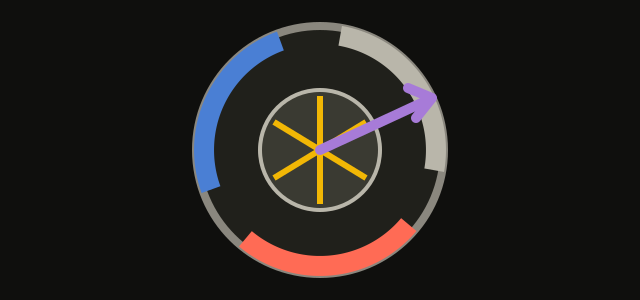
Each hot in a three-phase motor feeds one winding. Together the three windings make one magnetic field that turns, and that field drags the rotor around. You start the motor, run it, and jam it, and watch the current.
Open the visualFree, no sign-up. Works on a phone, tablet, computer, or projector.
What to try
- 1Start on Running. The rotor turns a little slower than the field, and the motor draws its full-load current.
- 2Pick Starting. The rotor has not moved yet, so the motor draws about six times its full-load current.
- 3Pick Jammed. The rotor stops with the power still on, and the windings make about 36 times their normal heat.
NEC 2026 sections it covers
- Table 430.250
- The full-load current for a three-phase motor of each size.
- Table 430.251(B)
- The locked-rotor current for a three-phase motor of each size.
Section numbers only. Read the full text in your code book. Temperatures and times in the visual are teaching models.
See something wrong? Tell us and we will check it against the code.
More visuals
- A circuit is a loopCurrent flows only when it has a full path out and back. Open the switch or break a wire and watch it stop.
- Conductors and insulatorsPut copper, aluminum, rubber, or skin on the meter and see how hard each one makes it for current to get through.
- Volts, amps, and ohmsChange the voltage or the heater and watch the amps follow. Amps equal volts divided by ohms.