Shorty’s Living Visuals.
37 interactive pictures that show what electricity does in a circuit. Each one opens with a short explainer. Then you change the wiring and watch the voltage, current, and heat respond.
Atoms and electrons
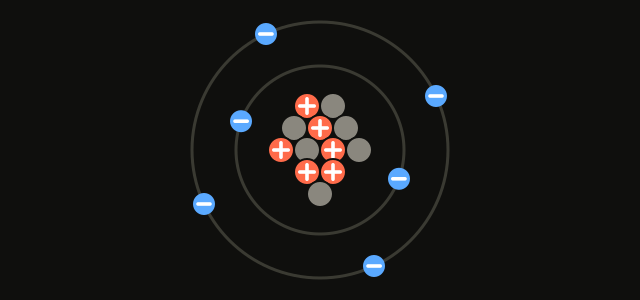 Inside an atomEverything is made of atoms. Count the protons in the center and the electrons around it, then take one electron away.
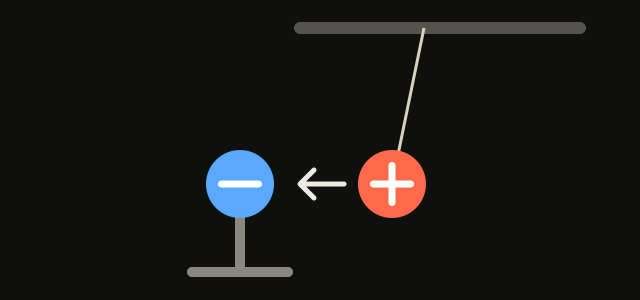 Opposite charges attractTwo like charges push apart, and two opposite charges pull together. Bring the balls closer and the force gets stronger.
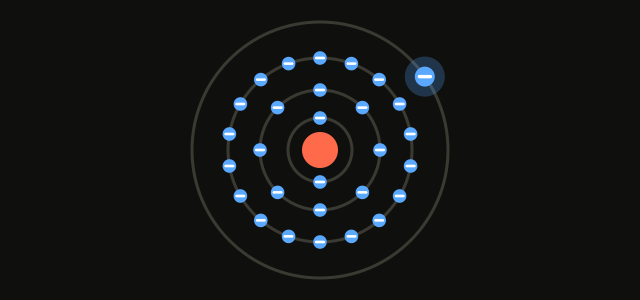 Valence electronsThe electrons in an atom's outer ring decide whether a material carries current. Try copper, silver, aluminum, silicon, and plastic.
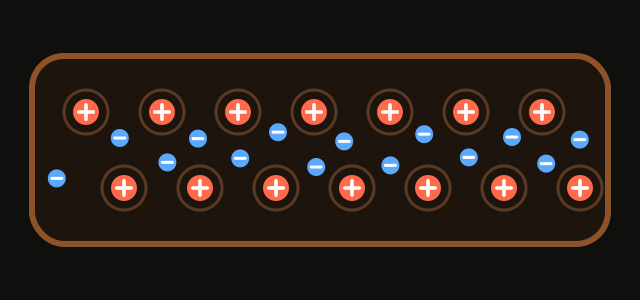 What electricity isCurrent is electrons drifting along a wire. Look inside the copper and see how slowly they move, even though the lamp lights at once.
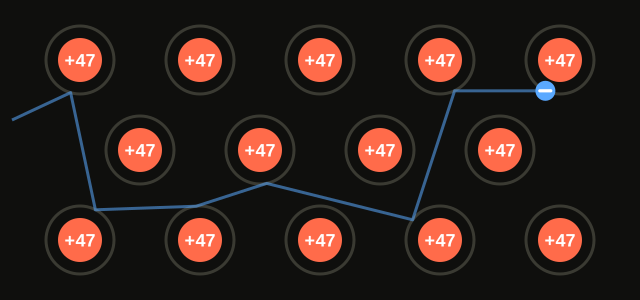 Why silver beats copperSome metals carry current better than others. Look inside silver, copper, gold, and aluminum and see how often their loose electrons bump into atoms.
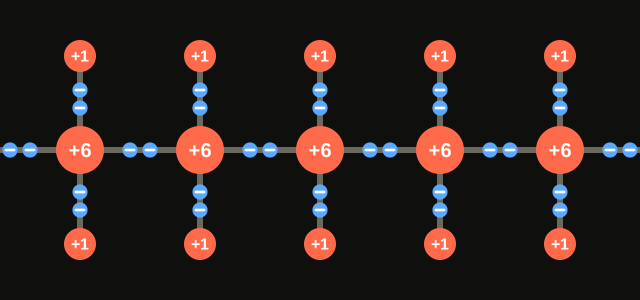 What makes an insulatorRubber, glass, and air hold every outer electron in a bond. Raise the test voltage and see when the insulation breaks down.
How electricity works
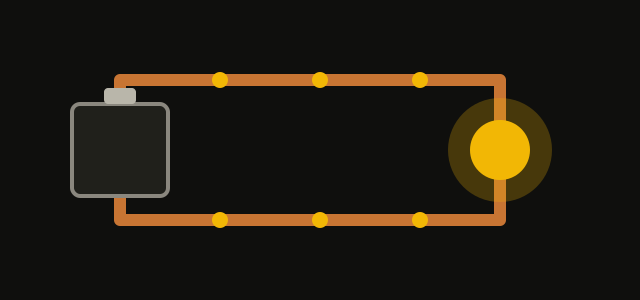 A circuit is a loopCurrent flows only when it has a full path out and back. Open the switch or break a wire and watch it stop.
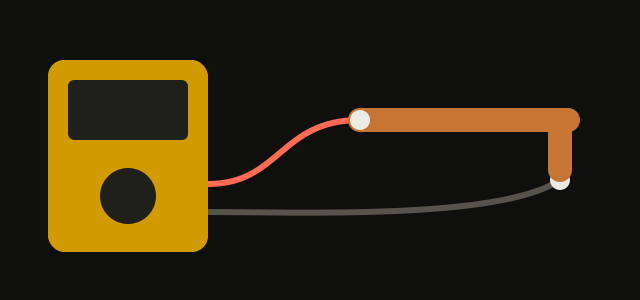 Conductors and insulatorsPut copper, aluminum, rubber, or skin on the meter and see how hard each one makes it for current to get through.
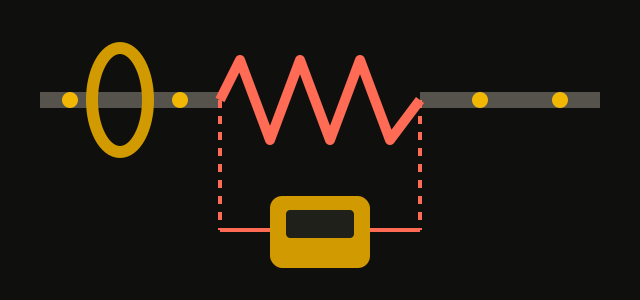 Volts, amps, and ohmsChange the voltage or the heater and watch the amps follow. Amps equal volts divided by ohms.
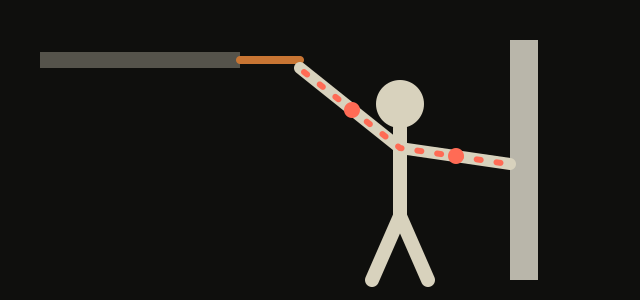 Why you get shockedA shock happens when your body joins two points at different voltages. See why a breaker never notices it and a GFCI does.
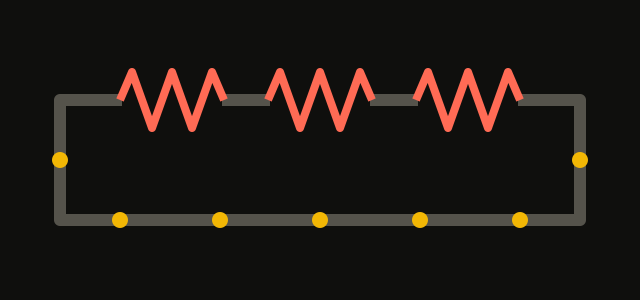 Series circuitA series circuit has one path. Add heaters to the loop and watch them share the voltage.
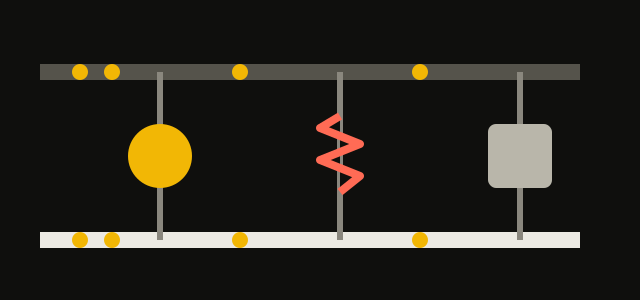 Parallel circuitEach load gets its own path and the full 120 volts. Switch loads on and watch their amps add up on the feed wire.
 What a watt isWatts are volts times amps. They tell you how fast a load uses energy, and the clock counts up the total.
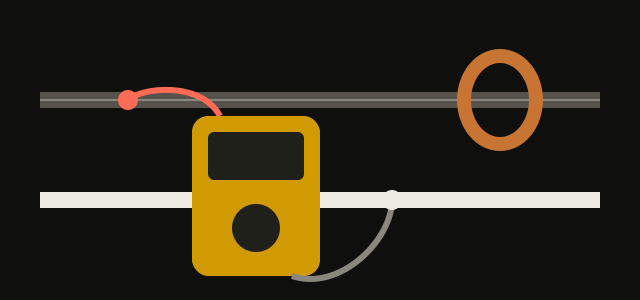 Reading a meterPut the meter leads on two points and read the voltage between them. Close the clamp around one wire and read its current.
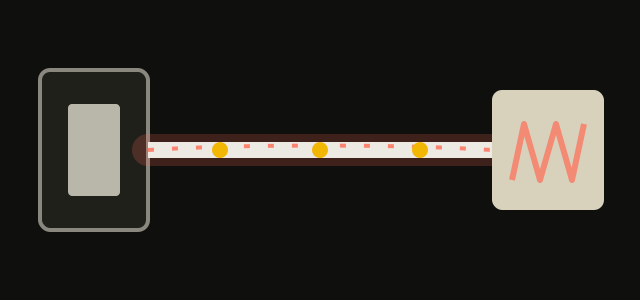 Why voltage dropsThe wire has a little resistance of its own. Make the run longer or the wire thinner and watch the heater lose voltage.
 What each wire doesThe hot carries current out and the neutral brings it back. The ground wire carries current only when something goes wrong.
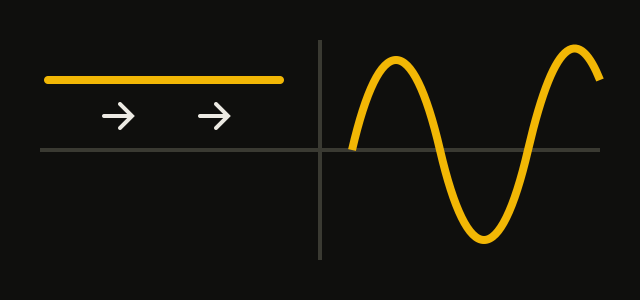 AC and DCA battery pushes current one way. A wall receptacle pushes it back and forth 60 times a second.
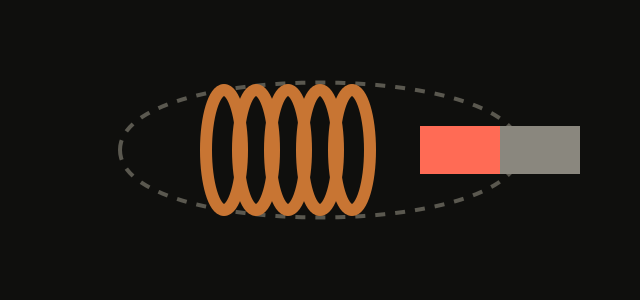 Magnets and currentRun current through a coil and it becomes a magnet. Move a magnet in or out of a coil and the coil makes a voltage.
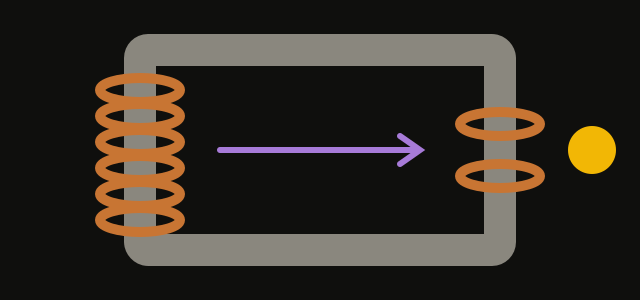 How a transformer worksTwo coils share one iron core. The number of turns on each coil sets the voltage that comes out.
 How a motor turnsThree windings make a magnetic field that turns. The field drags the rotor around with it.
How power gets there
 120 and 240 voltsOne coil on the pole makes two legs that mirror each other. Put a meter across any two wires.
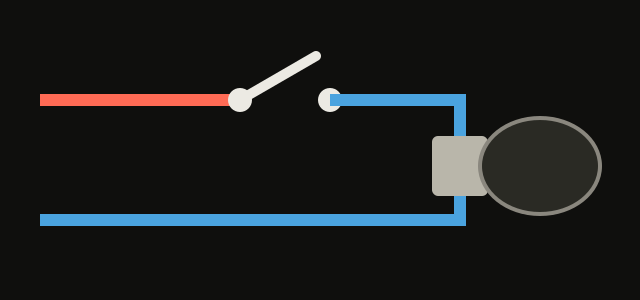 Switch the hotWires are colored by voltage. See why a light can be off and still live.
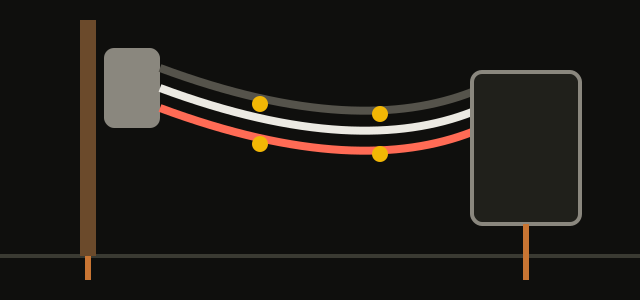 From the pole to the panelThe transformer on the pole sends two hots and a neutral to the house. Break the neutral and watch the voltages split.
 Three-phase powerA three-phase panel has three hots, each a third of a cycle apart. Two hots read 208 volts, not 240.
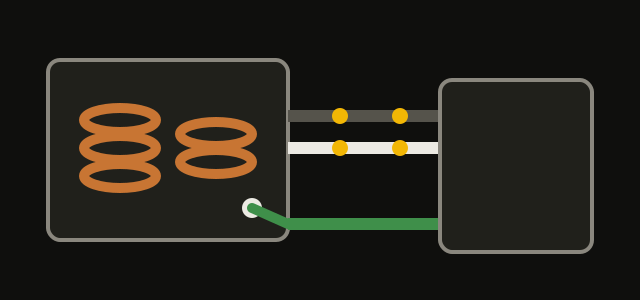 Bonding at a transformerA transformer makes a new system, so its neutral and ground join again at one point. Take that bond out or add a second one and see what goes wrong.
What protects you
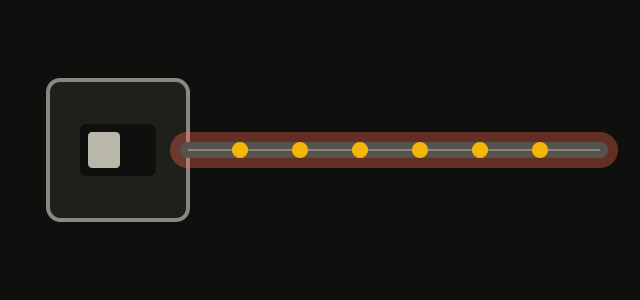 Breaker and wirePlug in loads and watch the wire heat up when the breaker is too big for it.
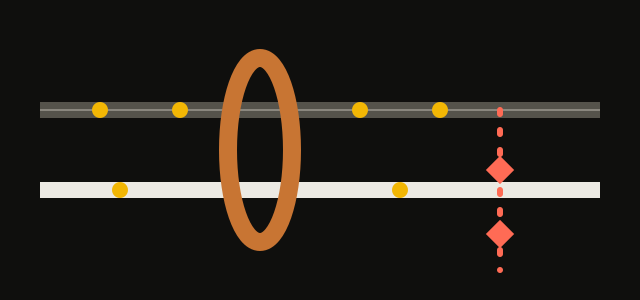 What a GFCI sensesCurrent goes out and comes back. See what happens when a little goes missing through a person.
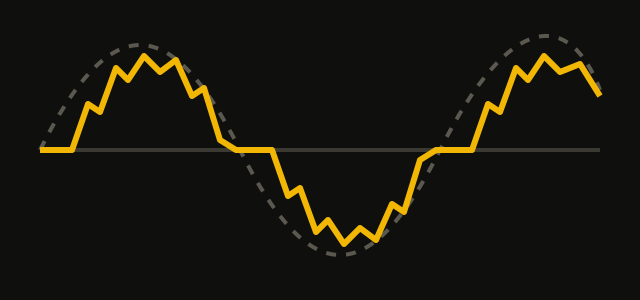 What an AFCI sensesA crushed cord arcs. Watch the shape of the current change, and the breaker count it.
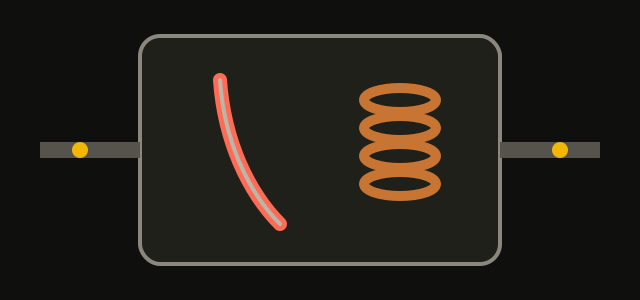 What trips a breakerOn an overload, a strip that bends with heat trips the breaker slowly. On a short or a ground fault, a magnet trips it at once.
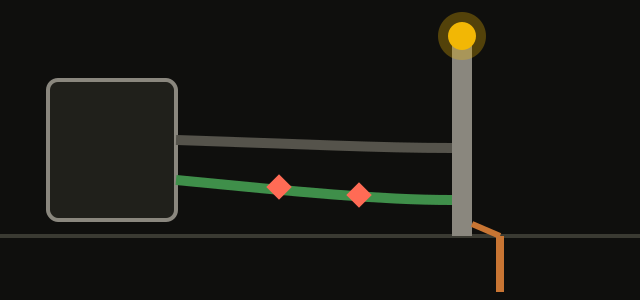 Grounding and bondingThe ground wire gives fault current a way back so the breaker trips. A ground rod by itself cannot do that.
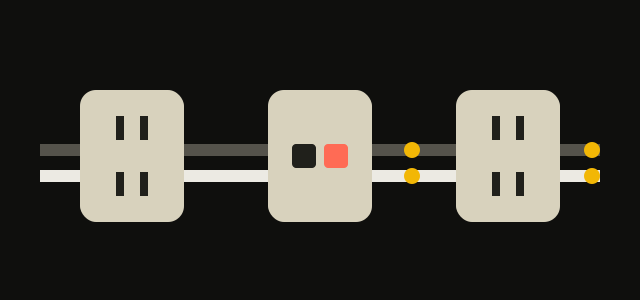 Which side of a GFCI protectsA GFCI protects its own face and what is wired to its LOAD screws. It cannot protect anything ahead of it.
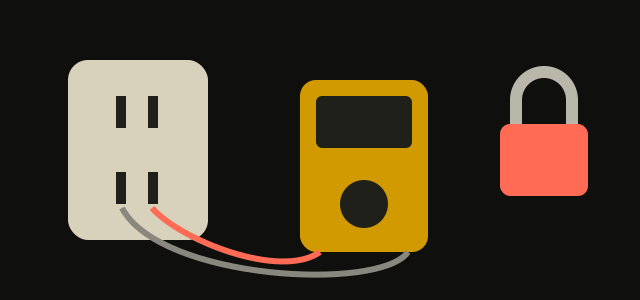 Test before you touchTurn the breaker off and lock it. Check your tester, test the circuit, and check the tester again before you touch.
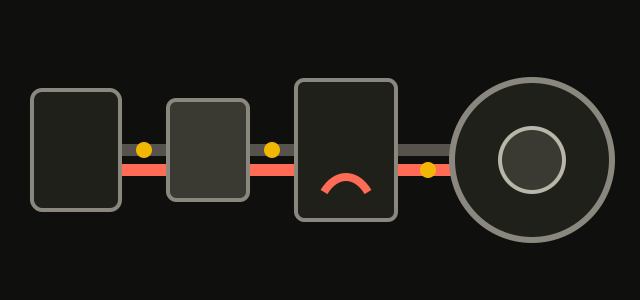 Motor circuit protectionThe breaker lets the starting current pass and stops short circuits. The overload relay stops a motor that runs too hot.
What goes wrong
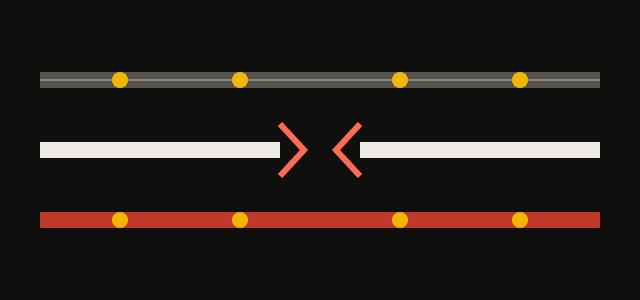 Shared neutralTwo hots share one white wire. Load each side, then pull the white loose and watch the voltages swing.
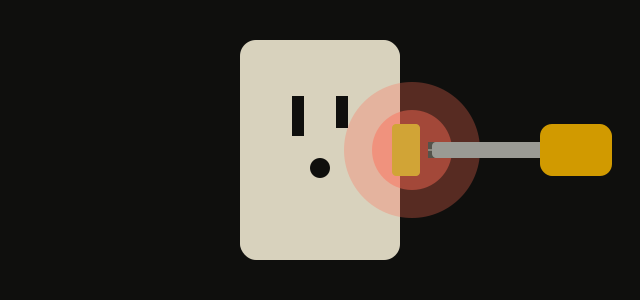 Loose connectionLoosen one screw and watch heat build at that spot while the breaker reads normal.
 Crowded conduitAdd circuits to one pipe and watch the wires heat each other until each is allowed less current.
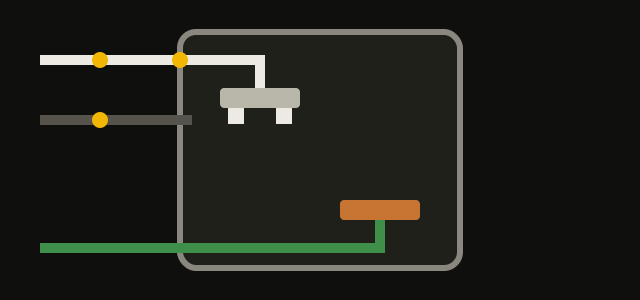 Neutral and ground in a subpanelIn a subpanel, the neutral and ground stay apart. Leave the bonding screw in and normal current rides on the ground wire and the metal can.
Teaching a class?
Put a visual on the projector and change the wiring while you talk. Then send your students to a simulation to practice, or build a cited slide deck and quiz on any part of the 2026 NEC with the lesson builder.
Request a builder codeEach visual that covers a code rule names its 2026 NEC section numbers. Read the full text in your code book. Temperatures and times are teaching models.